Does Cold Weather Drain a Car Battery?
Cold weather reduces a car battery's available starting power, but it usually doesn't drain a healthy, fully charged battery overnight. Low charge and a cold engine's higher starting demand make winter no-starts more likely.
On this page (10 sections)
- Does cold weather drain a car battery?
- Why is a cold engine harder to start?
- Can short winter trips leave the battery undercharged?
- What should you check before buying winter battery gear?
- Which charger suits a car that sits or makes short trips?
- Which jump starter suits drivers without a nearby helper?
- When do jumper cables make more sense?
- How should you set up and use winter battery equipment?
- Which winter battery mistakes cause avoidable trouble?
- What should you choose if cold weather leaves your car battery struggling?
Cold weather reduces a car battery's starting power, but it usually doesn't drain a healthy, fully charged battery overnight. A cold engine also needs more effort to crank, so low charge or battery wear becomes harder to ignore.
The right response depends on the problem: restore charge, arrange a battery check, or carry an emergency boost. Buying a jump starter alone won't solve repeated winter no-starts.
Does cold weather drain a car battery?
Cold weather mainly reduces the power a battery can deliver by slowing its chemical reactions. Losing starting power and losing stored charge are different problems, though both can leave you unable to start.
Your car still uses some electricity while parked for systems such as its alarm and clock. Long storage, an accessory left on, or an electrical fault can lower charge before a cold morning exposes the shortage.
Why does cold weather make an undercharged car battery struggle?
An undercharged battery has less starting reserve when the temperature falls. Cold then reduces what it can deliver just as the starter faces a harder job.
Cold also slows a lead-acid battery's natural self-discharge. A battery that goes flat repeatedly overnight needs attention beyond the weather forecast.
Why is a cold engine harder to start?
A cold engine takes more effort to turn over because oil thickens as temperatures fall. Use the oil grade specified in your vehicle manual rather than changing it based on guesswork.
Slow cranking can point toward low battery power or poor connections. If the engine cranks at its normal speed but doesn't catch, fuel, ignition, or another system may be responsible.
Don't make repeated, long starting attempts. Follow the manual's limits and pauses so you don't overheat the starter or further discharge the battery.
Can short winter trips leave the battery undercharged?
Yes, frequent short trips can leave a battery short of a full charge. Each start uses energy, and a brief drive may end before the charging system replaces it.
Lights, fans, heated seats, and window defrosters add demand while driving. Keep using equipment needed for visibility and safety, but switch off unnecessary accessories before the next start.
There is no reliable “drive for 20 minutes” rule for every car. Battery condition, discharge depth, driving conditions, and the vehicle's charging system all affect recovery.
If your routine rarely includes longer drives, our guide to the best car battery chargers can help you choose a way to restore charge while parked.
What should you check before buying winter battery gear?
Check battery condition, connections, and charging performance first if slow starts keep returning. Otherwise, you may buy equipment that masks a worn battery or an electrical fault.
Look for loose connections or visible corrosion without disconnecting anything unless you know the vehicle's procedure. Some cars require specific steps to protect electronics or retain settings.
Ask a mechanic or battery shop to assess starting capacity and charging output. If charge disappears while parked, mention how long the car sits and any recently added electrical accessories.
When replacing a battery, match the vehicle's required type, size, terminal layout, and cold-cranking amps, or CCA. Follow any registration procedure the vehicle requires rather than choosing by physical fit alone.
Which charger suits a car that sits or makes short trips?
A compatible charger and maintainer suits a car that regularly sits near an outlet or arrives home undercharged. It restores energy over time rather than supplying an immediate starting boost.
The GENIUS10 supports lead-acid types including AGM, gel, and flooded batteries, plus LiFePO4. Choose the mode from your battery's label and vehicle manual, since a lithium setting is not suitable for every battery called “lithium.”
Its clamps suit occasional connections, while the included eyelet terminals can support a recurring maintenance setup when installed as directed. NOCO designs its maintenance function for continued connection under the manual's conditions.
Choose it for prevention and recovery at home. Skip it as your only roadside backup if you have no suitable AC outlet or need to start immediately.
Don't use Force Mode simply because normal charging won't begin. First confirm the battery's identity and condition, then follow the special instructions for that mode.
Which jump starter suits drivers without a nearby helper?
A self-contained jump starter suits drivers who park alone, travel away from home, or can't count on a compatible donor vehicle. It provides a short boost, so the car still needs charging and diagnosis afterward.
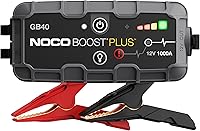
GOOLOO specifies 4000A peak output and engine coverage up to 12L gasoline or 10L diesel. Match voltage and engine requirements first, since peak amps alone aren't a useful comparison across every brand.
The kit includes smart jumper cables, a carrying bag, and a 100W car charger. Its USB outputs also support device charging, but keep enough charge available for the emergency job.
Choose the GT4000 Arctic for independent winter backup, especially where its preheating feature addresses your conditions. Skip it as a substitute for a maintainer if your main problem is a car sitting undercharged for weeks.
GOOLOO recommends recharging every 6 months. Check charge before winter travel as well, and use our guide to charging a jump starter to build a care routine around its manual.
Our best jump starter for cold weather guide compares other winter options. For the broader basics, see our portable car jump starter guide.
When do jumper cables make more sense?
Jumper cables suit drivers who can get help from a compatible vehicle. They don't need their own battery charged, but they depend on access, safe parking, and another driver's help.
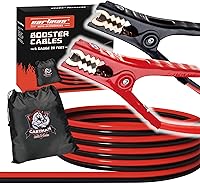
That reach helps when the vehicles can't park nose to nose. Cartman specifies use down to -13°F, so check your expected conditions before choosing them for severe winter travel.
Choose these cables as a shared-vehicle backup when help is usually nearby. Skip them as your only solution for remote parking or regular solo trips.
Check both vehicle manuals before connecting, since some vehicles have restrictions on supplying a jump. Use the designated connection points and keep the vehicles from touching.
Our comparison of jump starters versus jumper cables explains the practical trade-offs. For restoring charge afterward, read jump starter versus battery charger.
How should you set up and use winter battery equipment?
Read both manuals before an emergency, then identify the car's designated positive terminal and ground point. Remote connection points may be required even when you can reach the battery.
For a charger, confirm battery chemistry, voltage, temperature limits, and ventilation needs. Keep cords away from moving parts, hot surfaces, standing water, and places where a hood or door could crush them.
For a portable boost, learn how to use a portable jump starter before connecting it. Turn off unnecessary accessories and follow the exact connection, start-attempt, and removal sequence for your equipment.
A jump starter's low-temperature start claim doesn't guarantee every charging or storage limit. Follow its separate guidance, including any wait needed before recharging a cold unit.
Never charge or jump a frozen, cracked, swollen, or leaking battery. Avoid connecting equipment if you suspect damage, and arrange professional help.
Which winter battery mistakes cause avoidable trouble?
Treating a successful jump as a complete repair is a common mistake. The boost may start the engine without restoring much charge or resolving the reason it went flat.
Brief idling also isn't a dependable way to recover a deeply discharged battery. Use a suitable charger when needed, and never run the engine in an enclosed garage.
Don't assume a high peak-amp number proves cold-weather suitability. Vehicle compatibility, temperature guidance, clear connection instructions, and keeping the pack charged matter more than one headline number.
Inspect cable insulation and clamps before use, then store them dry. Secure portable equipment in the vehicle so it can't slide around or become a hazard during a sudden stop.
What should you choose if cold weather leaves your car battery struggling?
If cold weather makes your car battery seem drained, choose equipment around the cause and your parking situation. Recurring slow starts need a battery and charging-system check before another emergency boost.
Choose the NOCO GENIUS10 when you have outlet access and need regular charging or parked maintenance. Choose the Gooloo GT4000 Arctic when an independent roadside boost is the priority.
Choose the Cartman cables when a compatible helper vehicle is readily available. A charger at home and a boost option in the car serve different needs, so owning both can make sense.
For a winter emergency kit, use our cold-weather jump starter guide to match a portable option to your vehicle and conditions.
Frequently asked questions
Does cold weather drain a car battery overnight?
Cold weather reduces starting power, but it usually doesn't drain a healthy, fully charged car battery overnight. An undercharged battery may struggle after a cold night, especially with electrical loads left on; repeated failures call for a check of battery condition, connections, charging output, and unwanted electrical draw while parked.
How cold does it have to be for a car battery to die?
There is no single temperature that makes every car battery fail. Charge level, battery condition, engine size, and oil all affect starting, so a weak battery may struggle before a healthy one does; use slow cranking or repeated jump-starts as a reason to arrange a battery and charging-system check.
Should I charge my car battery in cold weather?
Yes, if the battery is sound and the charger supports its chemistry, voltage, and operating temperature. Choose the correct mode, follow both manuals, and provide the required ventilation; never connect a charger to a frozen, cracked, leaking, or otherwise damaged battery, even if the charger has a recovery mode.
Will driving recharge a car battery in winter?
Driving can restore charge, but there is no fixed driving time that guarantees a full battery. Short trips may not replace the power used for starting, especially with winter accessories running; after a deep discharge, use a compatible charger and investigate why the battery lost charge.